EMAIL
BESPOKE INQUIRY
pureasanaofficial@gmail.com
Explore Articles by Topic:
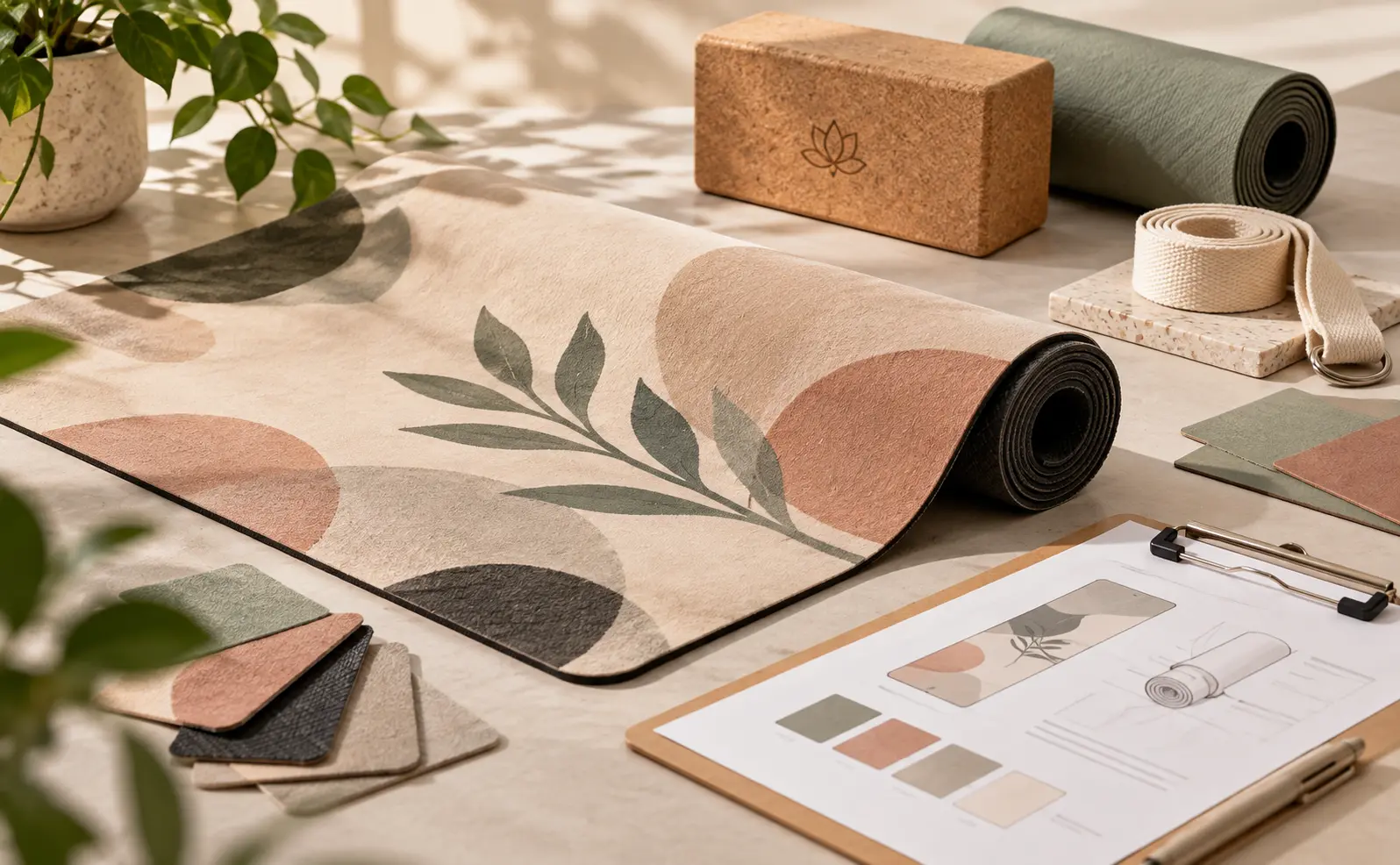
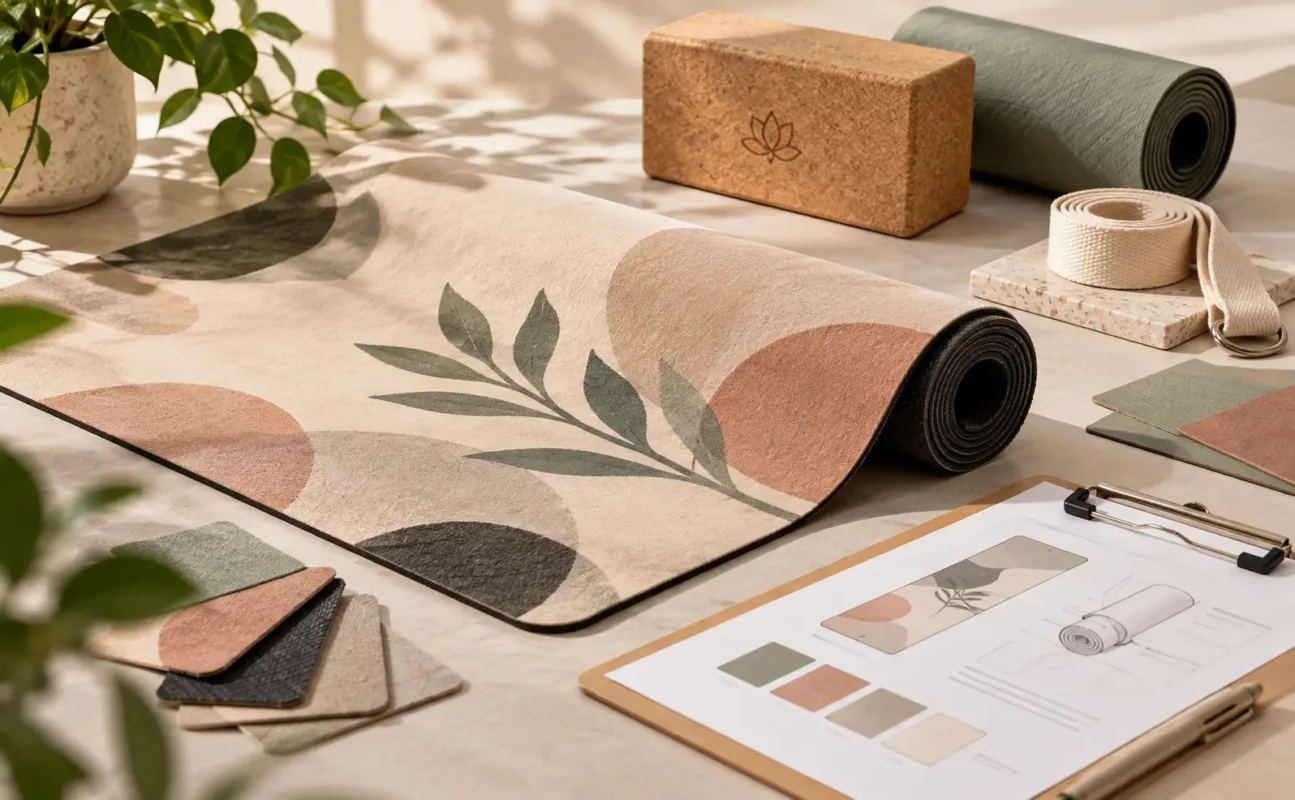
For brands ordering custom yoga mat samples, the first step is to decide what the sample needs to confirm. An existing mat can help you compare materials, while a customized version can show your artwork on the selected surface. Each approach involves different preparation, costs and approval decisions.
A clear plan for private label yoga mat samples connects that initial evaluation with the intended bulk order. Buyers should know which specifications are represented, which details remain open and what will happen after approval. This guide explains sample types, quotation items, typical timing and practical checks so you can request a useful sample and move toward a clearly defined production specification.
Start with the decision the sample needs to confirm: Use a material swatch or stock sample when you are still comparing materials, and choose a customized sample when you need to evaluate artwork, colors, dimensions, or another defined specification.
Confirm the scope before paying for development: Make sure the supplier understands the material, size, thickness, logo or artwork, packaging requirements, estimated bulk quantity, and the features that the sample must demonstrate.
Separate sample cost, production time, and delivery: Confirm which charges cover the sample itself, artwork or tooling setup, packaging, and shipping. Also agree when the quoted sample lead time begins and whether revisions require additional cost or time.
Approve the sample against written requirements: Check dimensions, material structure, surface, artwork, packaging, and any agreed tolerances. Record any feature that the sample does not yet represent before approving it for bulk production.
A custom yoga mat sample does not need to confirm every possible variation in one round. Each sample should have a clear purpose, and any remaining differences should be documented so the approved sample and written specification can work together as the production reference.
What is the difference between stock and custom yoga mat samples? A stock sample evaluates an available product, while a customized sample is produced to confirm agreed changes such as artwork, color, dimensions, or packaging.Choose the sample according to the decision you need to make. When comparing stock vs custom yoga mat samples, consider whether you are still selecting materials or already evaluating a defined design.
|
Sample Type |
Main Purpose |
What Still Needs Confirmation |
|---|---|---|
|
Material swatch |
Check a small piece for color, texture and feel |
Full-size performance, finished weight and packaging |
|
Stock or existing sample |
Evaluate an available finished mat |
Your specific color, artwork and retail packaging |
|
Customized sample |
Review the agreed logo, design or specification |
Requirements outside the quoted sample scope |
|
Pre-production approval sample |
Review the specification intended for bulk production |
Batch consistency and shipment inspection results |
A material swatch is a small reference piece. A stock sample is an existing finished product, while a customized sample includes the changes agreed for your project.
These categories describe purposes, and one sample may serve several purposes. A customized mat that meets the final specification can become the approval reference if both parties agree; an additional sampling round is not automatically necessary.
For a broader overview of how sampling fits into material selection, specifications, branding, packaging, MOQ, and bulk production, read our complete guide to custom yoga mats for private label brands.
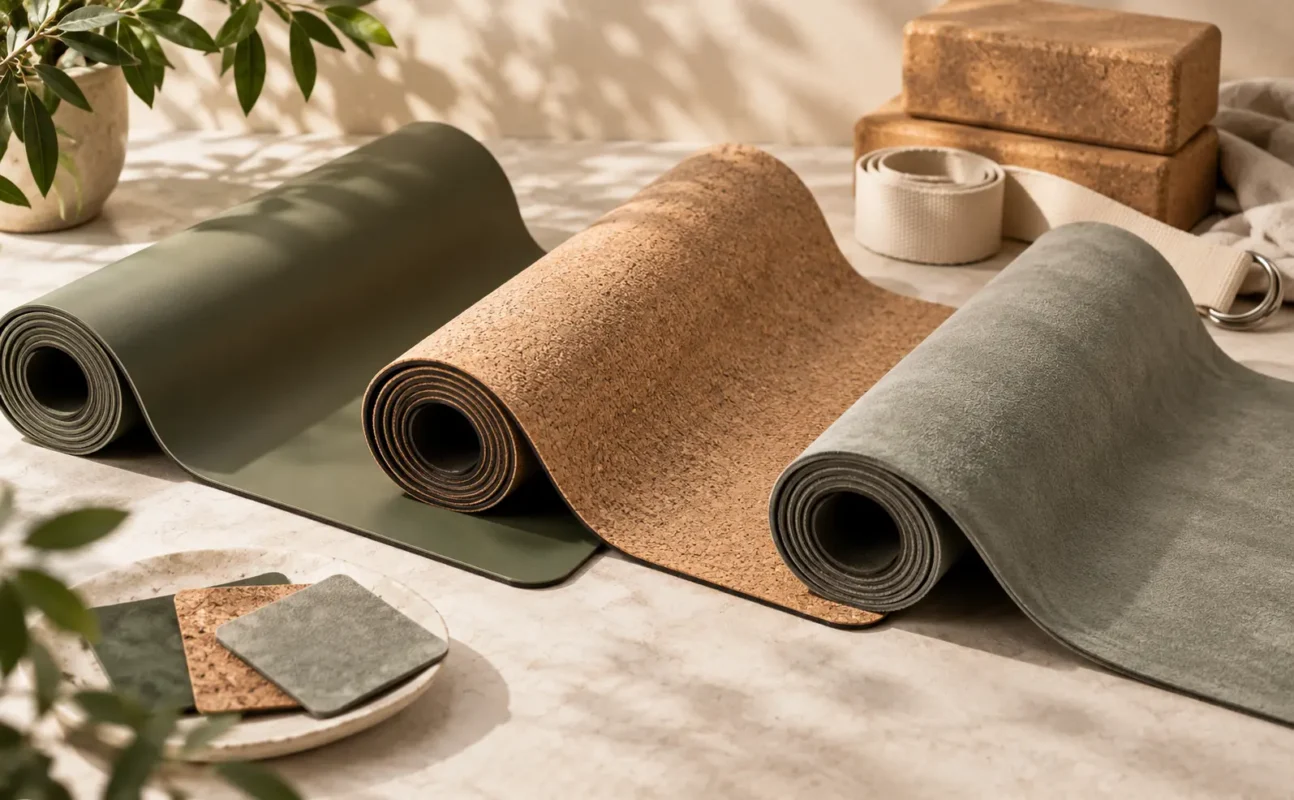
If material selection is still open, compare PU, cork and suede yoga mat surfaces before commissioning detailed customization.
Confirm that the intended bulk order is feasible, then define what the sample should include. This helps keep sampling expenditure connected to a product your brand can actually purchase.
MOQ means minimum order quantity: the smallest production batch available under the agreed conditions. A bulk MOQ is separate from the quantity requested for evaluation.
Some standard Pureasana options have bulk MOQs around 100 pieces, depending on the product and customization requirements. Custom colors, unusual sizes or separate designs may require different quantities. Check yoga mat MOQ requirements alongside the bulk quotation before investing in custom development.
An estimated purchasing range is useful if your final quantity is undecided. Include quantities per color or design and your target price so the supplier can assess the proposed collection.
Provide the information needed to define the sample:
Mat type, material structure, dimensions, thickness and any weight requirement.
Color and texture references.
Logo or artwork files, dimensions, placement and colors.
Packaging requirements, including whether packaging needs sampling.
Estimated quantities, target market, target price and delivery plan.
Delivery address, postal code and the features you need to evaluate.
If a detail is unresolved, identify it before production rather than allowing assumptions to become part of the sample.
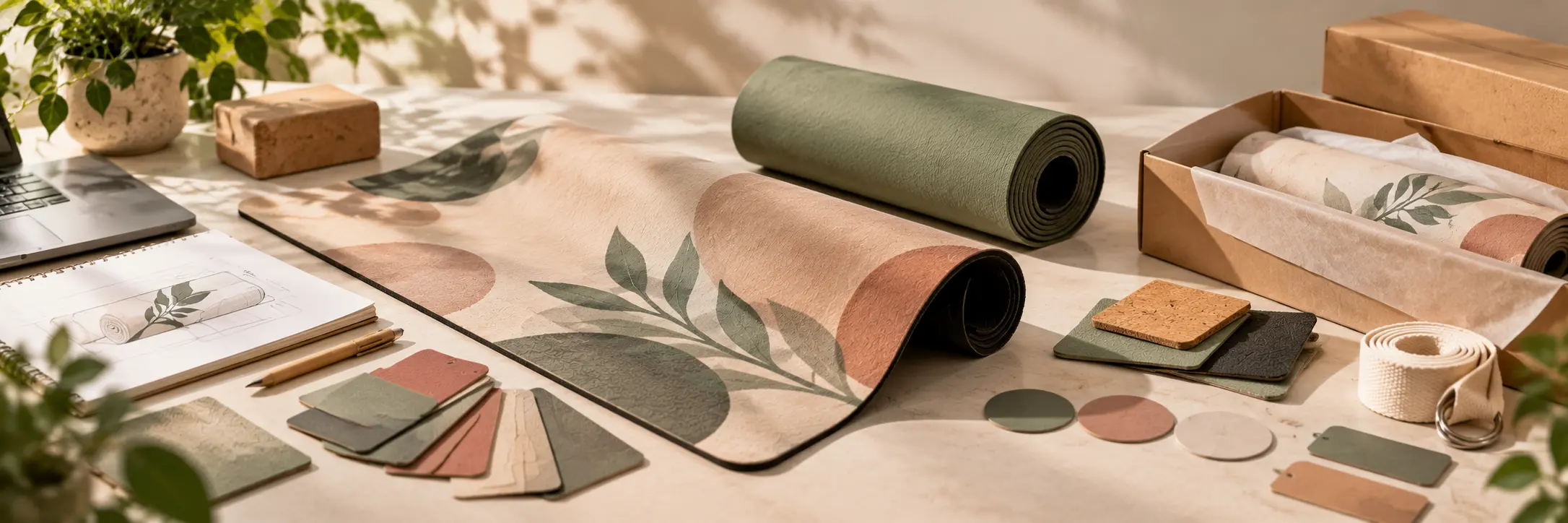
The cost of custom yoga mat samples depends on the materials, customization work and delivery arrangements included in the quotation. There is no single sample price that represents every construction or design.
A yoga mat sample cost breakdown should show what is included and how each item is charged.
|
Cost Component |
What Buyers Should Clarify |
|---|---|
|
Sample and materials |
Existing stock or materials prepared for a new sample? |
|
Logo or artwork setup |
Which design, size, colors and process are included? |
|
Cutting tools or special shapes |
Is new tooling required, and for which specification? |
|
Packaging sample |
Included in the quotation or prepared separately? |
|
Sample delivery |
Which service and destination charges are covered? |
Distinguish the charge for each sample from any development or setup charge. A special shape may need a cutting tool, while branding preparation depends on the selected process. Review yoga mat logo printing methods when deciding how the design should be applied.
Changing dimensions, artwork or materials after confirmation may require additional work. Ask the supplier to explain the cost and timing of revisions before proceeding.
Can sample fees be credited toward a bulk order? Sometimes, but only when this arrangement is confirmed by the supplier and stated in the quotation. It should not be assumed automatically.
Where suitable, compare existing materials first and customize the shortlisted option. This can limit spending on designs that would later need a different material or production process.
Share your preferred material, artwork direction and estimated order quantity. Pureasana can help you discuss a sampling approach that fits your private-label project and the specifications you need to confirm.{OEM & ODM}
Pureasana’s standard samples typically take around 3–7 days, while customized samples typically take around 10–20 days. Actual timing depends on the product, materials, branding, packaging, and final specification confirmation.
When does yoga mat sample lead time begin? The quoted lead time should begin from the agreed project starting point, such as final specification confirmation, artwork approval, payment where required, and material availability.
Buyers should also confirm what the quoted period includes. A complete sampling plan usually covers four stages:
Sample brief and artwork confirmation. Finalize the specifications, files and relevant payment arrangements.
Material preparation and sample production. Allow for material availability, any necessary development and the agreed customization.
Review and possible revisions. Assess the result and confirm whether changes require another production round.
Packing, dispatch and delivery. Obtain a separate transport estimate for the destination, including any relevant customs arrangements.
A change requested midway through sampling may alter the original schedule. Keep the specification version clear so both parties understand which work has been approved.
Bulk production is a separate stage. Pureasana’s bulk orders typically take around 25–40 days, depending on materials, branding, packaging, quantity and the confirmed requirements. Agree on the production starting point and allow time for sample approval and shipping when planning a product launch.
Yoga mat sample approval should confirm the agreed product, artwork and packaging, with any remaining differences documented. A brief message saying “looks good” can leave important details unresolved.
Measure dimensions and thickness using the agreed method, and verify weight where specified. Review the material structure, texture, edges, surface condition and bonding. Assess the mat under the intended practice conditions.
Record results against the specification and agreed tolerances. For more detailed inspection planning, review our yoga mat quality control checks.
Check logo size, position, appearance and the agreed color reference. If packaging is included, review its dimensions, text and presentation.
For example, a design sample might use an available texture while a second mat demonstrates the requested texture. Record that the first confirms artwork and the second confirms texture. Identify any aspect of the combined final specification that still needs verification, and agree how it will be checked.
This allows separate reference samples to support a project without treating every unfinished detail as approved.
An approved reference sample is a physical product retained to represent the requirements accepted by both parties. Link it to the specification, artwork version, packaging instructions and approval record.
If requirements change afterward, review their effect on cost, timing and any further sampling. Keep the reference available for production and inspection comparisons. Sample approval supports quality control, but it does not replace checks on the bulk order.
Approved custom yoga mat samples can provide a production reference when the specification and any remaining differences are clearly documented. Choose samples for the decisions you need to make, confirm the quotation and schedule, and evaluate the result against written requirements. Keeping that record with the approved sample gives both buyer and supplier a clearer basis for the bulk order.
Pureasana supports wholesale, OEM (original equipment manufacturing) and private-label yoga mat projects. Tell us the mat type, material preference, size and thickness you are considering, along with estimated quantities per color or design.
Share your logo or artwork, packaging requirements, target market, target unit price and delivery schedule. For sample delivery estimates, include the destination and postal code. If the material is undecided, describe your target customer so we can discuss suitable options.
Customized yoga mat samples are not automatically free. Existing and newly made samples can have different charges, and delivery may be quoted separately. Ask for a breakdown of the sample, setup, packaging and shipping costs before confirming. Any fee credit toward a later order should be stated in the project quotation.
One sample can demonstrate shared features, such as dimensions or an agreed construction, but it cannot show every unproduced color or design. Identify which details each sample represents. Other variations may need separate color references, artwork approval or physical samples, depending on what the buyer and supplier need to verify.
A stock color or texture may be suitable when the first sample is intended to verify a specific feature, such as logo size or placement. Record which features remain unapproved. Agree how the final color or texture will be confirmed before treating the sample as a production reference.
Sample approval does not replace bulk quality inspection. An approved sample provides a reference for agreed requirements, while bulk inspection checks products from the actual order. Keep both in the purchasing plan. Share the approved specification, reference sample and acceptance criteria with the people responsible for production and inspection so they can evaluate the same requirements.
Repeat orders do not always require a new sample. The need depends on changes to the material, artwork, dimensions, packaging or production arrangements, as well as the condition of the existing reference sample. Review these points with the supplier before reordering. Confirm whether the earlier approval remains applicable or whether specific features need fresh evaluation.
Explore Product Materials